
SUMMARY
Meal preparation for seniors in New York can become more difficult as adults age, especially for those living alone. This blog explains how skipped meals, reduced appetite, hydration concerns, grocery routines, difficulty standing at the stove, and kitchen safety can affect wellbeing. It also shows how compassionate home care can support safer routines, better consistency, and greater peace of mind for families.
Meal Preparation Support for Seniors Living Alone in New York
For many older adults, living alone in New York is a meaningful part of staying independent. Home can offer comfort, privacy, routine, and a strong sense of control. But as needs change, everyday tasks like grocery shopping, cooking, drinking enough water, and cleaning up after meals can become harder to manage.
Meal preparation for seniors can be especially challenging when someone lives alone in an apartment, senior community, suburban home, or more rural area. Carrying groceries, standing at the stove, reaching cabinets, remembering meals, or having the energy to cook can all become daily obstacles. Over time, these small challenges may affect nutrition, hydration, strength, mood, and overall wellbeing.
At Always Compassionate Health, we understand that home care is not only about major health needs. It is also about supporting the everyday routines that help people feel safer, more comfortable, and more independent at home.
Learn more about our: Home health aides and live-in caregivers
Why meal routines can become harder with age
Cooking may feel simple until it no longer does. An older adult may still know how to prepare meals, but physical changes, fatigue, memory concerns, reduced appetite, medication side effects, or difficulty getting to the store can make regular meals harder to maintain.
The National Institute on Aging explains that healthy eating is an important part of healthy aging and provides guidance on meal planning, shopping, and choosing nutritious foods for older adults. For someone living alone, however, knowing what to eat is only one part of the challenge. They also need the ability, motivation, and support to prepare meals consistently.
A senior may start skipping breakfast, eating only snacks, avoiding fresh foods because they spoil quickly, or relying on whatever is easiest to heat. These patterns can develop slowly, which means families may not notice right away.
Common signs a loved one may need meal support
Families often begin to worry when they see small changes during visits or phone calls. A loved one may say they are not hungry, but the refrigerator is nearly empty. They may have expired food, unopened groceries, or dishes piling up in the sink. They may lose weight, seem tired, or become less interested in cooking.
Other signs may include:
- Skipped meals or irregular eating times
- Difficulty standing long enough to cook
- Trouble opening containers or lifting pots
- Burned food or forgotten items on the stove
- Less interest in grocery shopping
- Dehydration concerns
- Eating the same limited foods every day
- Confusion around meal timing or medication routines
These signs do not always mean someone needs full-time care. They may simply mean that extra help with meals and daily routines could make living alone safer and more manageable.
How hydration fits into daily care
Hydration is easy to overlook, but it is an important part of daily wellbeing. Some older adults drink less because they do not feel thirsty, worry about frequent bathroom trips, or forget to keep water nearby. Others may have medical conditions or medication instructions that make hydration more complicated and should be discussed with their healthcare provider.
A caregiver can help support hydration by offering reminders, keeping water within reach, preparing preferred beverages when appropriate, and noticing changes such as fatigue, confusion, dizziness, or reduced intake. This kind of support is not a replacement for medical care, but it can help families see when a routine may need attention.
Meal preparation and hydration often work together. A steady routine around breakfast, lunch, dinner, snacks, and fluids can help the day feel more structured and less overwhelming.
Safer kitchen routines for seniors living alone
The kitchen can become a high-risk area when mobility, balance, vision, memory, or strength changes. Reaching into cabinets, carrying hot dishes, bending into the oven, or standing for long periods can increase the chance of an accident.
Falls are also a major concern for older adults. The CDC reports that falls are the leading cause of injury for adults age 65 and older. In the kitchen, fall risks may include spills, clutter, loose rugs, poor lighting, heavy grocery bags, or rushing between tasks.
A home caregiver can help make kitchen routines safer by assisting with meal preparation, organizing commonly used items, wiping spills, helping with light cleanup, and reducing the need for unsafe lifting or reaching. Support can also include preparing simple meals ahead of time so the senior has easier options available later.
Grocery routines can affect nutrition
Good meal habits often begin before cooking. If grocery shopping becomes difficult, nutrition can quickly become harder to maintain. Some seniors may avoid shopping because they no longer drive, feel nervous carrying bags, have trouble walking through large stores, or find online ordering confusing.
Across the New York communities we serve, these challenges can look different from one home to the next. A senior in New York City may be managing stairs, elevators, busy sidewalks, or crowded grocery stores, while someone in Long Island, Westchester or the Hudson Valley, for example, may face different transportation or access concerns.
At Always Compassionate Health, we understand that these everyday barriers can make it harder for older adults to shop, prepare meals, and maintain steady routines. Compassionate home care can help by supporting grocery lists, organizing food at home, preparing simple meals, and encouraging regular eating habits in a way that respects the person’s preferences and independence.
Read our latest blog: Senior living in New York Apartments: How home care helps
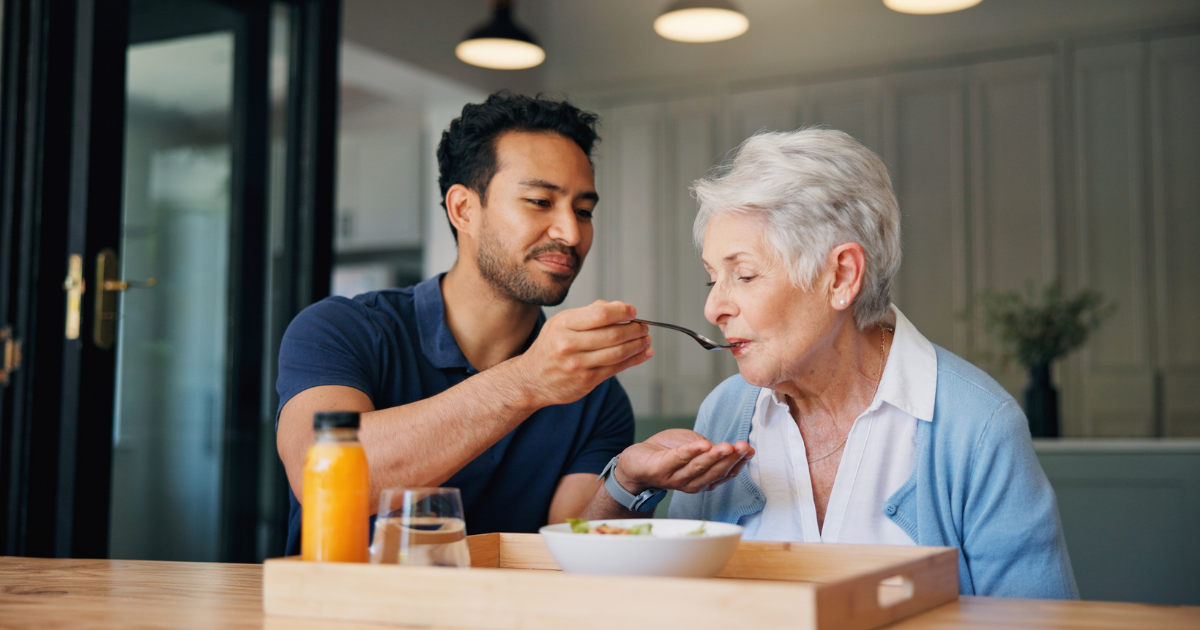
Meal preparation can also provide companionship
For seniors living alone, mealtime can feel lonely. Cooking for one person may not feel worth the effort, especially if the person used to share meals with a spouse, family member, or friend. Over time, loneliness can affect motivation, appetite, and daily structure.
The National Institute on Aging notes that loneliness and social isolation are associated with higher risks for health problems such as heart disease, depression, and cognitive decline. While meal support is practical, it can also create meaningful interaction. A caregiver can offer conversation, encouragement, and a familiar presence during parts of the day that may otherwise feel quiet. This companionship can make meals feel more like a routine to look forward to, not another task to get through.
How compassionate home care supports meal routines
Meal preparation support can be personalized to the individual. Some seniors may need help preparing full meals. Others may only need support with chopping ingredients, reheating food safely, checking expiration dates, cleaning up, or remembering to eat and drink regularly.
Depending on the care plan, a caregiver may help with:
- Simple meal preparation
- Grocery list support
- Light kitchen cleanup
- Hydration reminders
- Safe food storage
- Meal and snack routines
- Mobility support in the kitchen
- Noticing changes in appetite or energy
- Communicating concerns to family or the care team
The goal is not to take over. The goal is to help seniors remain involved in their routines as much as possible while providing support where it is needed.
When families should consider extra support
Families may want to consider in-home support when meal-related concerns become more frequent or harder to manage. This may include noticeable weight changes, skipped meals, low energy, repeated dehydration concerns, expired food, unsafe cooking habits, or a loved one saying they no longer feel comfortable preparing meals alone.
These conversations can feel sensitive. Many older adults do not want to feel like they are losing independence. It may help to frame meal preparation support as a way to stay at home safely and comfortably, rather than as a sign that they can no longer manage.
With the right approach, home care can help protect independence by making daily life more stable.
Check out our comprehensive guide: NY home care roadmap
Not sure if home care is right for your loved one? Review our home care self-assessment checklist
Supporting safer, steadier days at home
Meal preparation for seniors in New York is about more than food. It is connected to safety, hydration, comfort, energy, medication routines, family peace of mind, and dignity. When seniors living alone have support with meals, they may be better able to maintain familiar routines and feel more confident at home.
At Always Compassionate Health, we provide compassionate home care for individuals and families across the New York communities we serve. Our caregivers can help with meal preparation, hydration reminders, light housekeeping, companionship, and other daily routines that support safer living at home.
If you are concerned that a loved one is skipping meals, struggling with groceries, or finding it harder to cook safely, our team can help you explore the right level of in-home support.
Frequently Asked Questions
Meal preparation helps support nutrition, hydration, energy, daily structure, and overall wellbeing. For seniors living alone, regular meals can become harder to maintain because of fatigue, mobility challenges, reduced appetite, transportation issues, or difficulty cooking safely.
Signs may include skipped meals, weight changes, expired food, an empty refrigerator, dirty dishes piling up, burned food, difficulty carrying groceries, reduced appetite, or confusion around meal routines. These changes may suggest that extra support at home could be helpful.
Home care can help with simple meal preparation, grocery list support, hydration reminders, safe food storage, light kitchen cleanup, and companionship during meals. Support can be customized based on the person’s needs, preferences, and daily routine.
No. Meal preparation support is meant to help seniors remain as independent as possible. A caregiver can assist with the parts of cooking or meal routines that have become difficult while encouraging the senior to stay involved in choices and routines.
Families may want to consider compassionate home care when a loved one is skipping meals, struggling with groceries, avoiding cooking, having trouble standing at the stove, forgetting to drink water, or seeming isolated. Support can help create safer, steadier routines at home.
