
 March 24, 2026
How Home Care Supports Family Caregivers And Reduces Burnout
SUMMARY
Family caregiving is an act of love, but it can also be exhausting when the responsibility never truly stops. In this blog, we explain how professional home care can ease the day-to-day burden with practical support, respite, and continuity of care, while helping protect your loved one’s safety at home. We will also cover common signs of caregiver burnout and the steps families can take to support both their loved one and their own health.
How Home Care Supports Family Caregivers And Reduces Burnout
If you are caring for a parent, spouse, or loved one at home, you may feel like you are always on call. Even during quiet moments, your mind is still working. You are thinking about meals, medications, appointments, and safety. You are watching for changes and trying to stay one step ahead.
Over time, that constant responsibility can lead to caregiver burnout. The National Institute on Aging explains that caregiver stress can affect sleep, mood, and overall health, and it emphasizes the importance of support and self-care for caregivers. The Centers for Disease Control (CDC) also notes that the responsibilities of caregiving can create emotional and physical burden, and that caregiver health indicators can be worse than those of non-caregivers.
Professional home care is one way to help. It does not replace family involvement. It supports families with consistent, hands-on help so caregiving can feel safer, more stable, and more sustainable.
Why caregiver burnout happens

Burnout rarely appears overnight. It often builds slowly as responsibilities increase and personal time disappears.
Many caregivers are balancing:
- Personal care needs such as bathing, dressing, toileting, and mobility
- Meals, hydration, laundry, and household responsibilities
- Medication routines and appointment schedules
- Safety concerns, especially when a loved one is alone
- Emotional stress related to changes in health, independence, or memory
When one person is carrying most of that weight, it becomes harder to rest, recover, and think clearly. Even small challenges can feel overwhelming because there is no margin left.
Signs of caregiver burnout to watch for
Caregivers are often quick to notice changes in a loved one, but slow to notice changes in themselves. If you are seeing any of the patterns below, it may be time to add support.
Common warning signs include:
- Ongoing exhaustion that does not improve with rest
- Irritability, impatience, or feeling emotionally short
- Sleep problems, including trouble falling asleep or staying asleep
- Anxiety, sadness, or feeling numb
- Pulling away from friends, routines, or activities you used to enjoy
- Frequent headaches, body aches, or stomach issues
- Feelings of guilt, resentment, or hopelessness
These signs are not a reflection of how much you care. They are a signal that the caregiving load has become too heavy for one person to carry alone. The National Institute on Aging encourages caregivers to reach out for support and prioritize their own health, too.
How home care supports family caregivers in practical ways
Home care helps most when it solves the everyday challenges that create constant pressure. Here are some of the most meaningful ways professional support can reduce caregiver stress.
1. Help with daily routines and personal care
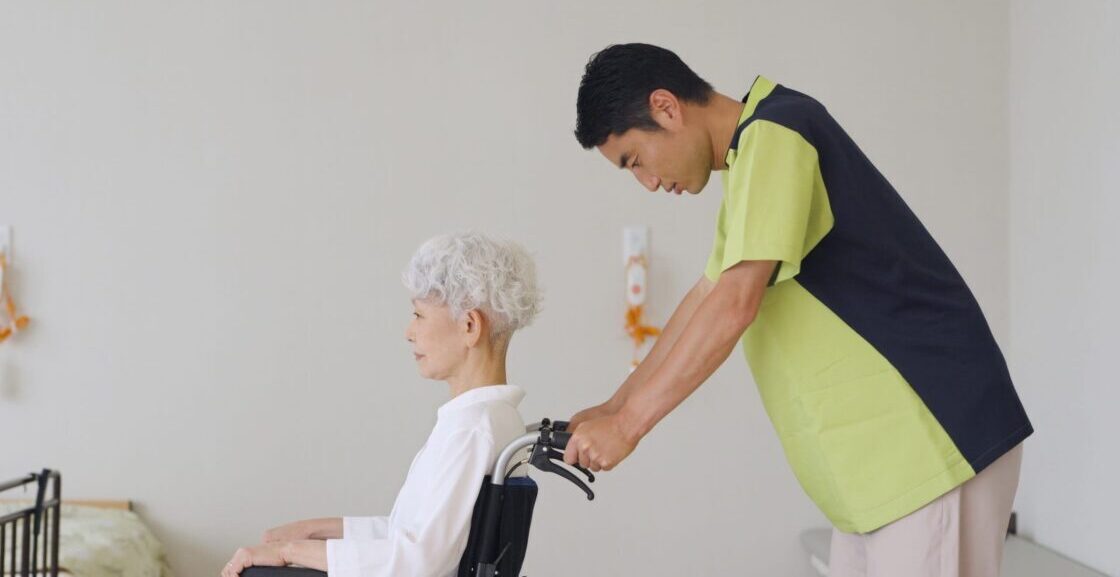
Daily tasks can take far more time and energy than families expect, especially when a loved one needs help moving safely, bathing, or dressing. Always Compassionate Health’s home health aides and live-in caregivers provide personalized support with activities like bathing, dressing, meal preparation, and light housekeeping.
When those responsibilities are shared, caregivers can step out of constant task mode and get time back for work, rest, and family life.
Learn more: Home Health Aides and Live-In Caregivers
2. Respite care so caregivers can rest and recover
Respite is not a luxury. It is a basic need. Reliable coverage allows caregivers to sleep, attend their own medical appointments, run errands without rushing, or simply take a breath.
Even a few consistent hours each week can make a meaningful difference. What matters is knowing you can count on that support, because predictability reduces stress, too.
3. More consistency so families are not constantly “starting over”
Caregiving becomes more manageable when routines are consistent. A clear plan and steady support can reduce day-to-day uncertainty and help families feel more confident about what is happening and when.
This is especially helpful when several family members are coordinating care. Clear communication and reliable scheduling reduce confusion and prevent tasks from falling through the cracks.
4. Skilled in-home support when needs become more complex
Caregiver stress often increases when a loved one’s needs go beyond basic daily help. After a hospitalization, surgery, or health decline, families may feel unsure about what is safe to manage alone.
We offer a range of services, including nursing care at home, which is positioned as an alternative to institutional care for families who want support while a loved one remains at home. They also offer private duty nursing for one-on-one skilled care in the home.
More info: Nursing Care at Home
More info: Private Duty Nursing
5. Support that helps protect safety at home
Many caregivers carry constant worry about falls, missed meals, and day-to-day safety. Having a trained caregiver in the home can reduce risk through supervision, hands-on assistance, and consistent routines.
For many families, that peace of mind is one of the biggest benefits of home care, because it lowers the “always on alert” feeling that contributes to burnout.
When is the right time to consider home care?
Many families wait until they are already overwhelmed. If any of the following feel familiar, it may be time to explore support.
- Your loved one is struggling with daily activities like bathing, dressing, cooking, or cleaning
- You are losing sleep or constantly worried when you are not there
- Safety feels uncertain during mobility or transfers
- Your own health, mood, or relationships are being impacted
- Your loved one needs extra support after illness, hospitalization, or surgery
Home care can help create a safer routine at home while giving family caregivers the breathing room they need to rest, work, and take care of their own health. If you are unsure what level of support is appropriate, a quick conversation can help you understand your options and decide on a plan that fits your family’s needs.
A supportive next step for New York families
Caregiving is meaningful, but it should not come at the cost of your own health, sleep, or peace of mind. If you are feeling stretched thin, you do not have to wait until things become overwhelming.
As a licensed home care service agency in New York, we provide trusted in-home support to help your loved one stay safe and comfortable at home while you get the relief and backup you deserve. If you are not sure what level of care is right, our team can talk through your loved one’s daily routine, identify where support would help most, and guide you toward a plan that fits your family.
Call to schedule a care consultation and take the next step toward safer care and less stress at home today.
